
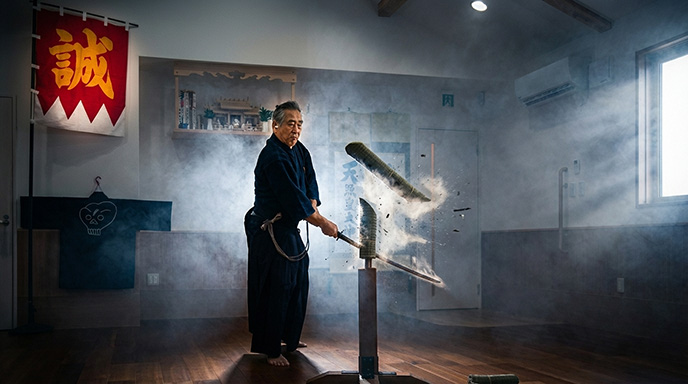
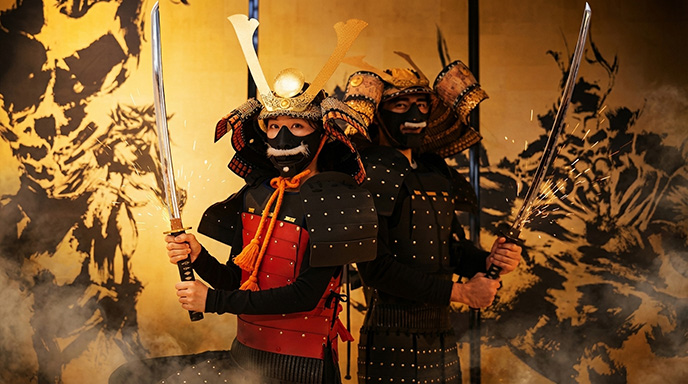
Authentic Armor & Swords
Wield authentic weaponry including the razor-sharp Katana. Don full Yoroi battle armor and access exclusive training techniques not open to the general public.
Historic Dojo Access
Step inside a traditional Dojo, a sanctuary for martial arts history. Choose from meditation or combat sessions to experience the discipline of the Samurai at its best.

Expert Instruction
Train with high-ranking instructors who are part of Tokyo’s authentic martial arts lineage. Enjoy VIP treatment with personalized guidance throughout your session.
Experience the Way of the Warrior
Our exclusive sessions offer an immersive dive into Japan’s legendary martial arts scene. From razor-sharp Katanas to expert technique, we provide access to the heart of Tokyo’s combat culture.
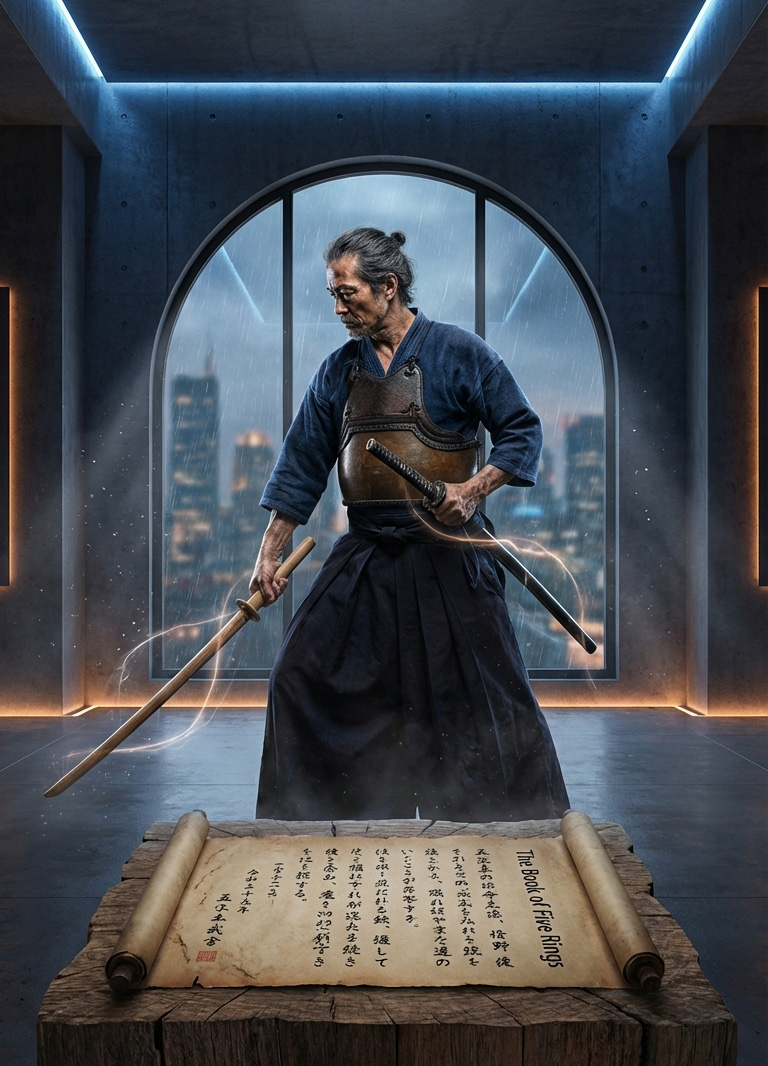
Miyamoto Musashi
The legendary “Sword Saint,” immortalized in philosophy and undefeated in over 60 duels. Experience the genius of the man who perfected the art of fighting with two swords simultaneously.
- Style: Niten Ichi-ryu (Twin-Sword Style)
- Record: 61 Undefeated Duels
- Signature: Wooden Bokken (Oar)
- Legacy: The Book of Five Rings
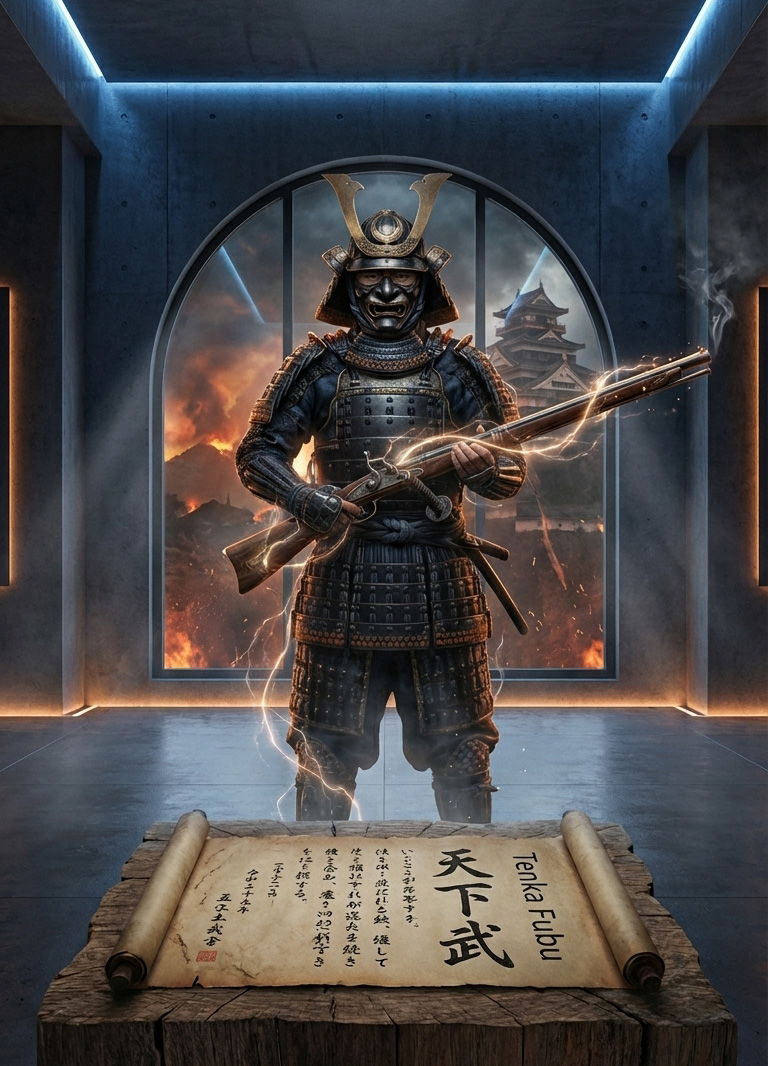
Oda Nobunaga
The “Demon King” is a true icon of power and revolution. Known for his ruthless ambition and modernizing warfare, Nobunaga laid the fiery foundation for a unified Japan.
- Rank: The First Great Unifier
- Tactic: Mass Arquebus (Firearm) Volleys
- Motto: Tenka Fubu (Rule by Force)
- Base: Azuchi Castle
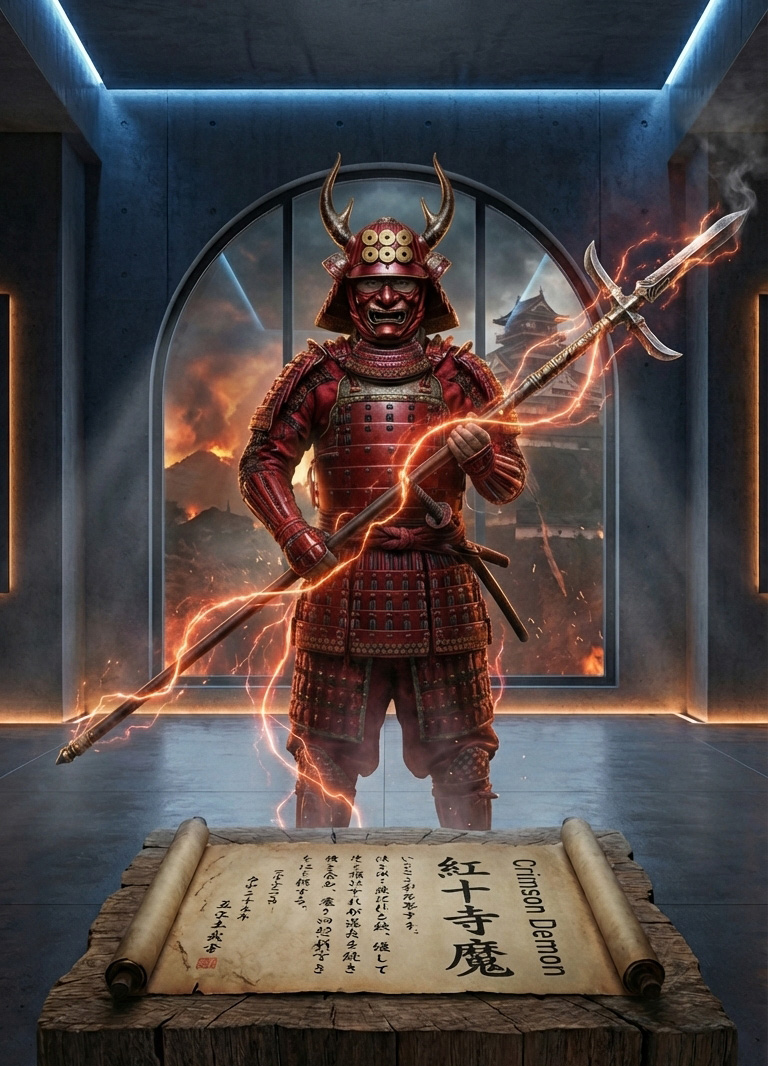
Sanada Yukimura
Known as the “Crimson Demon of War,” Yukimura is renowned for his fearless charges and red-lacquered armor. Experience the spirit of the man named “The Number One Warrior in Japan.”
- Weapon: Jumonji Yari (Cross-Spear)
- Armor: Full Red Lacquer (Akazonae)
- Feat: The Siege of Osaka
- Title: “Crimson Demon”

The video details immersive cultural stops ranging from hands-on historical training centers in traditional districts to prestigious national galleries housing centuries-old, master-crafted weapons.

the Real Samurai Island of Japan: Tsushima
Nobody gave a damn about Tsushima before 2020. I sure didn’t. You probably couldn’t find it on a map. Then Sucker Punch releases Ghost of Tsushima and suddenly everyone is an expert on 13th – century geography. The game makes it look like a poem. Maple leaves, haikus, wind. The actual place? It is rougher.…
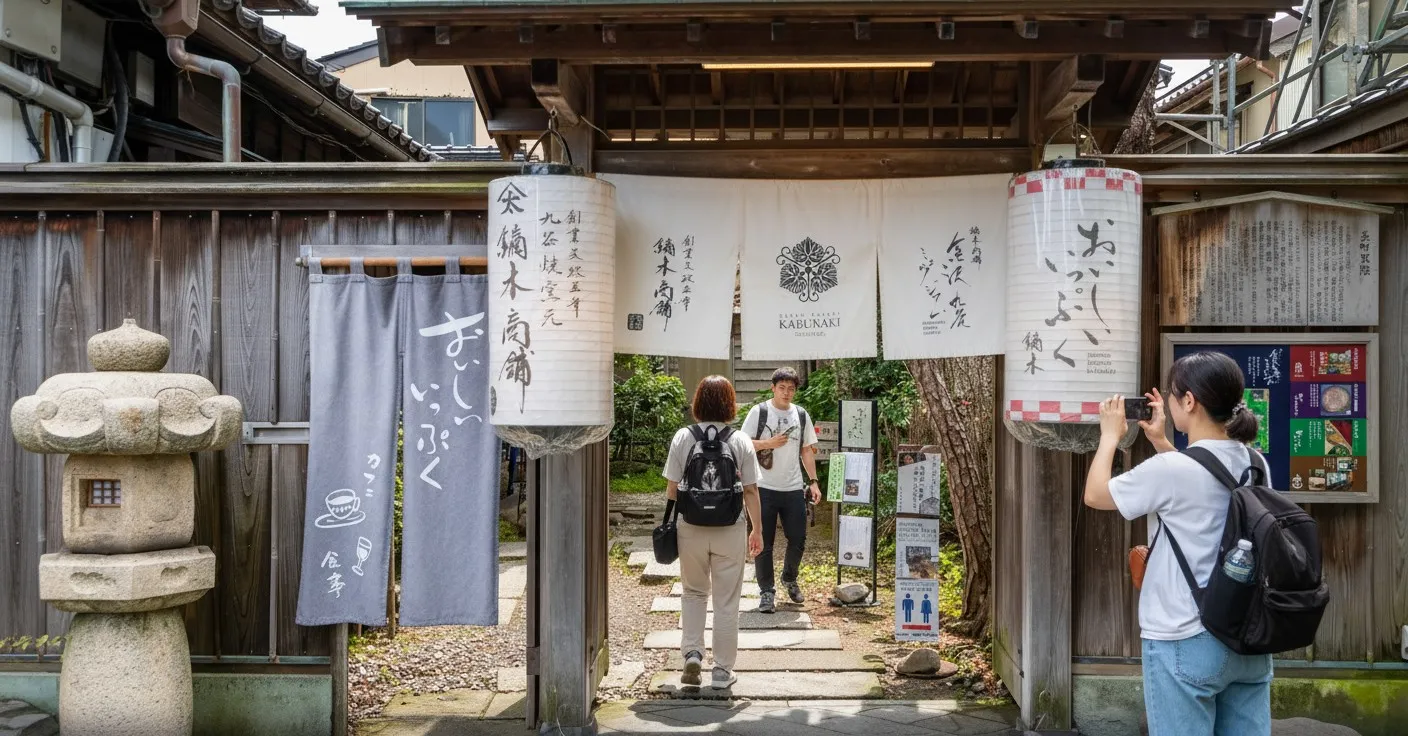
Stepping Back in Time: Kanazawa’s Nagamachi Samurai District
Turn the corner. Leave the neon noise of Korinbo behind. The 21st century just… evaporates. It’s jarring. One second you’re dodging shoppers, the next you’re staring at ochre earthen walls that haven’t shifted since the 1600s. This is Nagamachi. It isn’t a theme park. Get that straight immediately. People live here. Behind those imposing gates…

What are the 7 rules of the samurai?
Everyone thinks they know. You probably picture Tom Cruise in that armor or some high-gloss anime character screaming about honor while swinging a glowing sword. But the reality? It’s quieter. Darker. Infinitely more complex. The code isn’t a rulebook you pull off a shelf in a dusty library; it’s a ghost. They called it Bushido.…

Best places to buy authentic samurai swords online
Let’s be real for a second. Most “samurai swords” floating around the internet are not Nihonto. They’re sharp, shiny metal bars coming out of Longquan, China. And that’s fine—if you just want something cool to look at. Nihonto (literally “Japanese Sword”) is a legal definition. Spiritual too. For a blade to be a Nihonto, it…
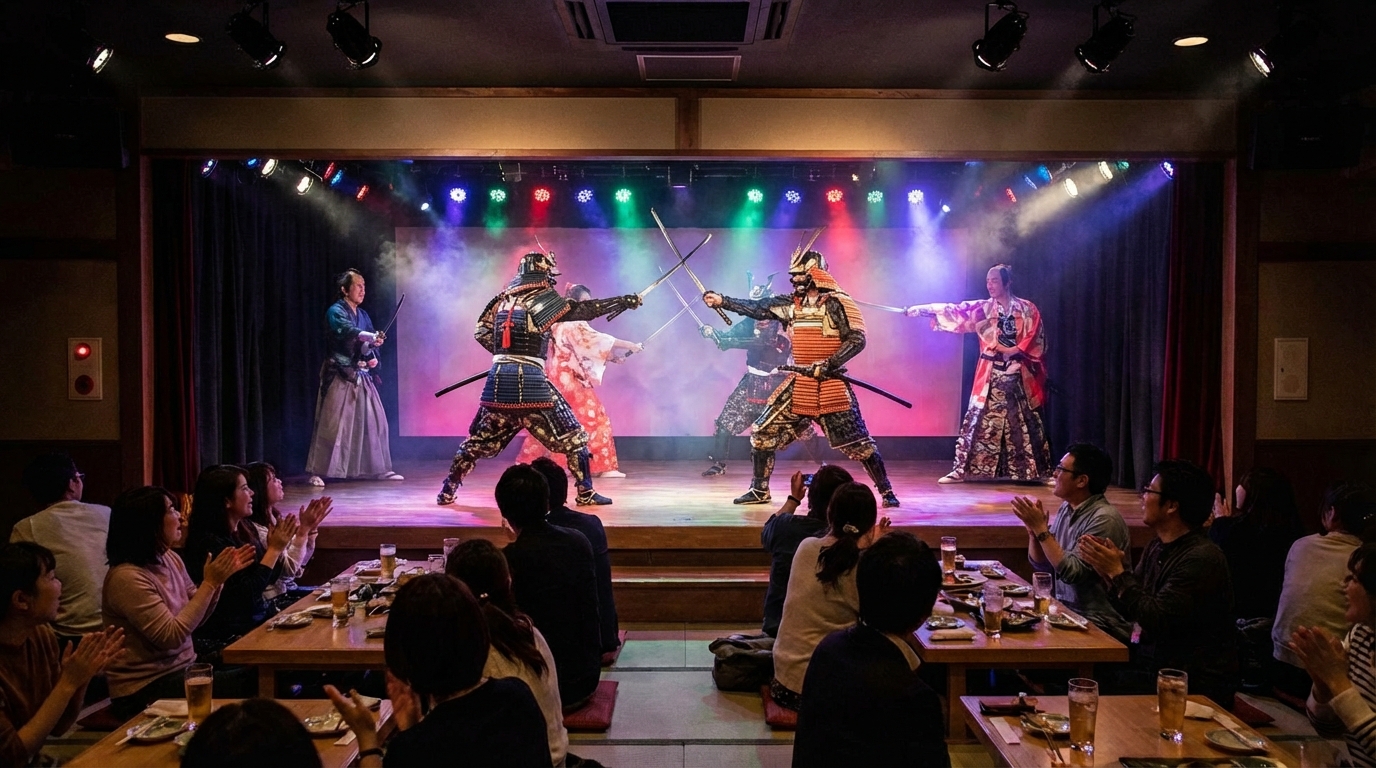
Tokyo Samurai Restaurant Shows: Wild Performances, Authentic Dinner Theaters, and Family Fun
Tokyo makes no sense. It’s a glitch where 13th-century ghosts crash into neon billboards selling caffeine to salarymen. It’s loud. It hurts your eyes. And if you skip the samurai scene, you’re missing the point. I’m not talking about museums. Reading placards until your brain melts is boring. I mean the noise. The screaming. Steel…
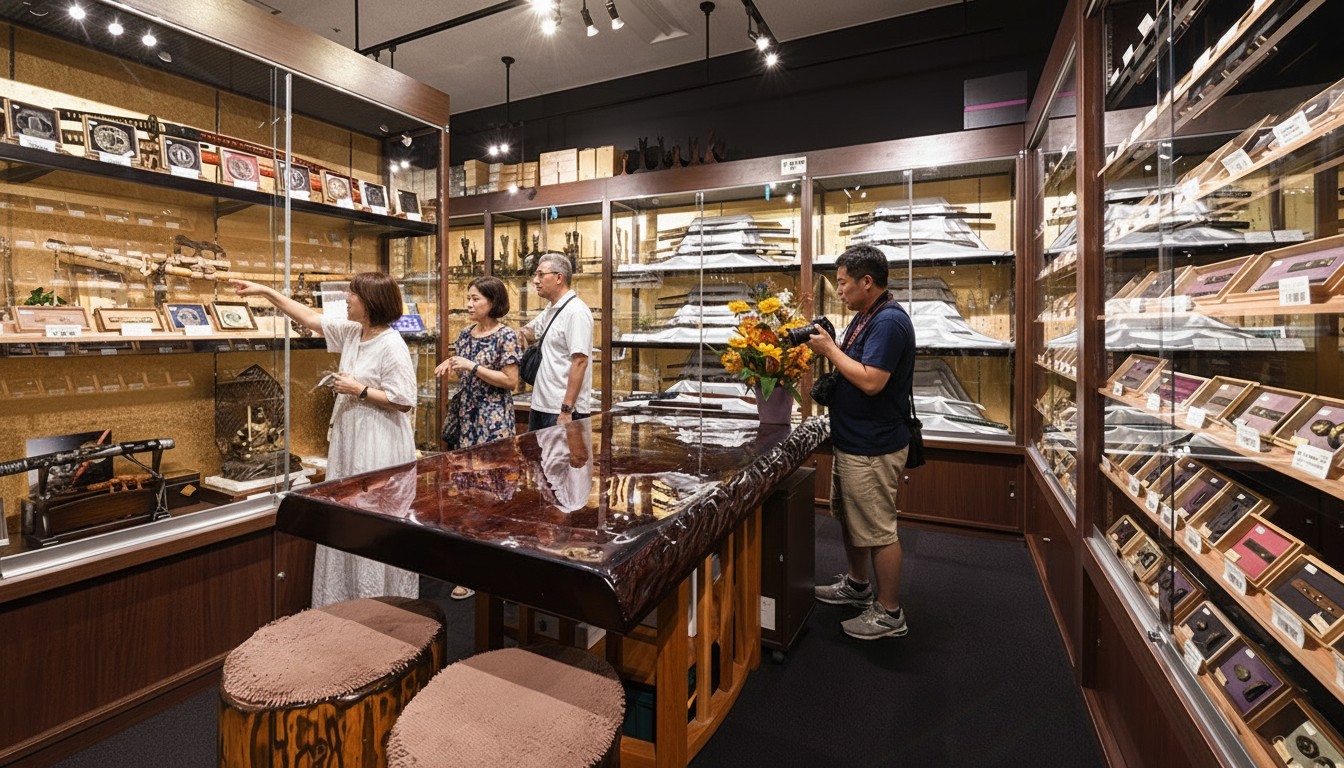
Samurai Swords in Tokyo: Museums, Experiences, and Buying Genuine Katana
Discovering the Legacy: Best Samurai Sword Museums in Tokyo Forget Kill Bill. Forget Ghost of Tsushima. You probably have this picture in your head of a blade slicing bamboo—clean, fast. But standing in front of a 700-year-old piece of steel in Tokyo is weirdly quiet. It’s terrifying. The steel has a personality—a hamon (temper line)…
Unleash Your Inner Warrior: The Ultimate Guide to Samurai Experiences in Tokyo
You’ve seen the movies. The stoic warrior standing amidst falling cherry blossoms – hand hovering over the hilt of a katana, silence screaming louder than a battle cry. It’s cool. Undeniably cool. You land in Tokyo expecting to find that vibe on every corner.
Here is the hard truth: you won’t. Tokyo is neon chaos, convenience stores, and trains that run on second-perfect schedules. The samurai are gone.
Mostly.
If you know where to look – and I mean really look, past the plastic souvenir swords in Harajuku – you can still find the pulse of the warrior class beating under the city’s asphalt. I’ve spent years chasing these ghosts. I’ve been bruised in dojos and bored in dusty museums just to find the gold. This isn’t a list of tourist traps – well, maybe one or two, but they’re the fun kind. This is how you actually connect with the history.
The Best Samurai Museums in Tokyo: Where History Comes Alive
Let’s address the elephant in the room first. If you’re looking for the famous Samurai Museum in Shinjuku—the one everyone on TripAdvisor raved about for years—stop. It’s closed. Gone. The lights are out. I’ve seen tourists wandering Kabukicho looking for it, confused. Don’t be them. There are rumors of a reopening in late 2025, but who knows?
Instead, you need to go to Ryogoku.
The Japanese Sword Museum is where the serious stuff lives. It’s not flashy, no actors in polyester costumes jumping out at you. It is quiet. Almost clinically so. Run by the Nihon Bijutsu Token Hozon Kyokai (a mouthful, I know – it’s the Society for the Preservation of Japanese Art Swords), this place treats the katana not as a weapon, but as high art.
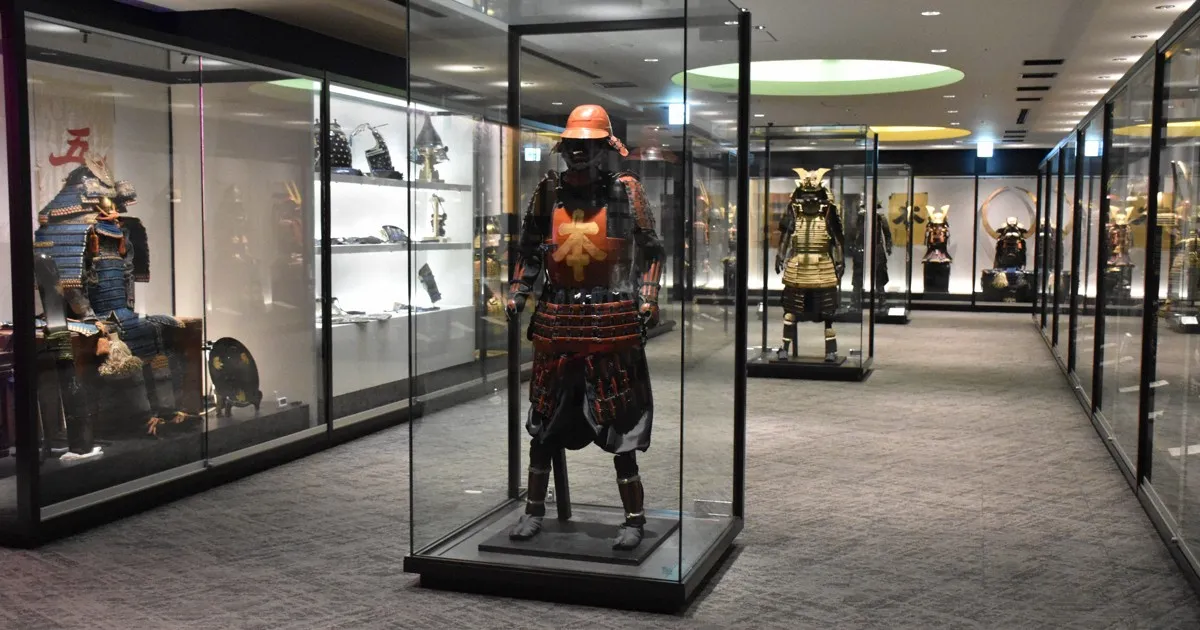
The lighting is dim – focused entirely on the steel. You can see the hamon (temper line) rippling along the blade edge like frozen smoke. It’s mesmerizing. Honestly? It can be a bit dry if you aren’t a sword nerd. There’s not much English signage explaining how they killed people, just who forged the steel in 1345. But the sheer aura of the blades? Unmatched.
- Location: Ryogoku (near the Sumo Hall)
- Vibe: Library quiet. Serious.
- Cost: Around 1,000 JPY.
Authentic Sword Fighting: Top Dojos for Hands-On Katana Training
Okay, looking at swords is fine. Swinging them is better.
A lot of “samurai experiences” are basically cosplay photo shoots. You wear the helmet, you smile, you leave. If you want to sweat — really work for it – you want Hisui Tokyo in Ginza. This is a proper dojo. The floors are polished wood and the air smells like discipline. Maybe a little bit like old socks too, but that’s authentic.
You wear the hakama – those wide, pleated trousers that make you feel like you’re gliding—and they hand you a real sword. Well, usually an unsharpened iaito for safety, but it’s heavy steel. The instructors are serious martial artists. They don’t just teach you to chop; they teach you how to draw the blade without slicing your own thumb off. Which is harder than it looks.
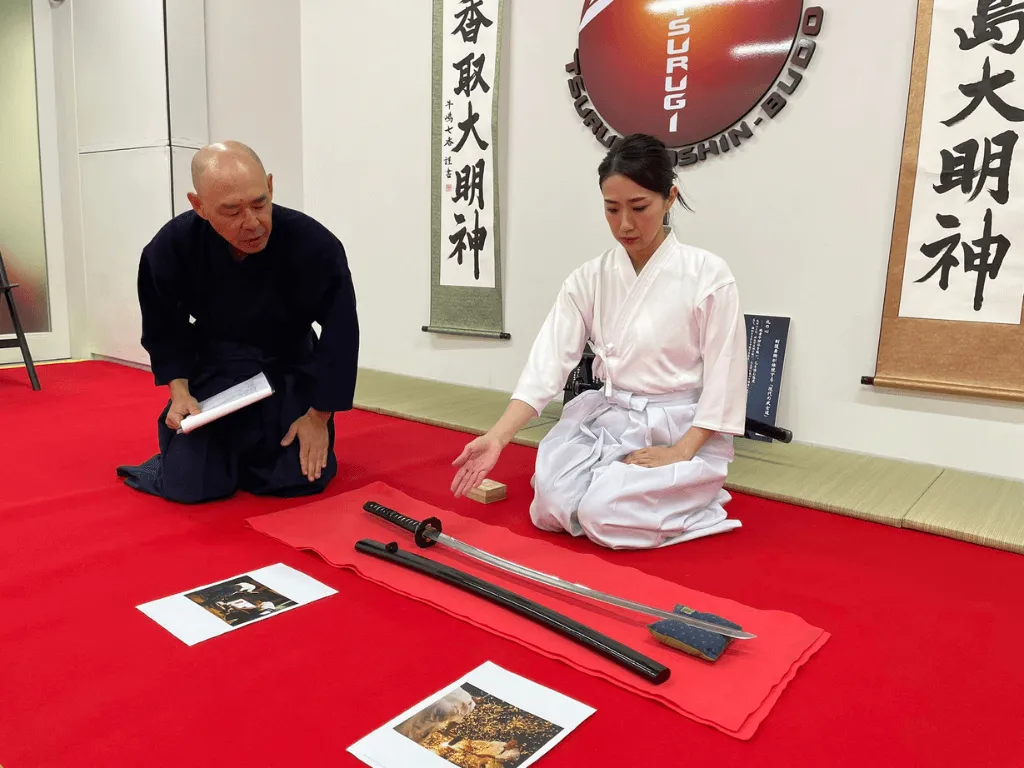
Another option that feels less “tour” and more “training” is Tsurugi Samurai Dojo in Kojimachi. They focus heavily on Kembu (sword dancing). It sounds flowery, but try holding a pose with a 1kg sword extended for two minutes while your quads burn. You’ll find your inner warrior. Or at least your inner exhausted person.
Yabusame: Witnessing the Art of Horseback Archery
If you are lucky enough to be in Tokyo at the right time, you can witness the most dynamic display of samurai skill still in existence: Yabusame.
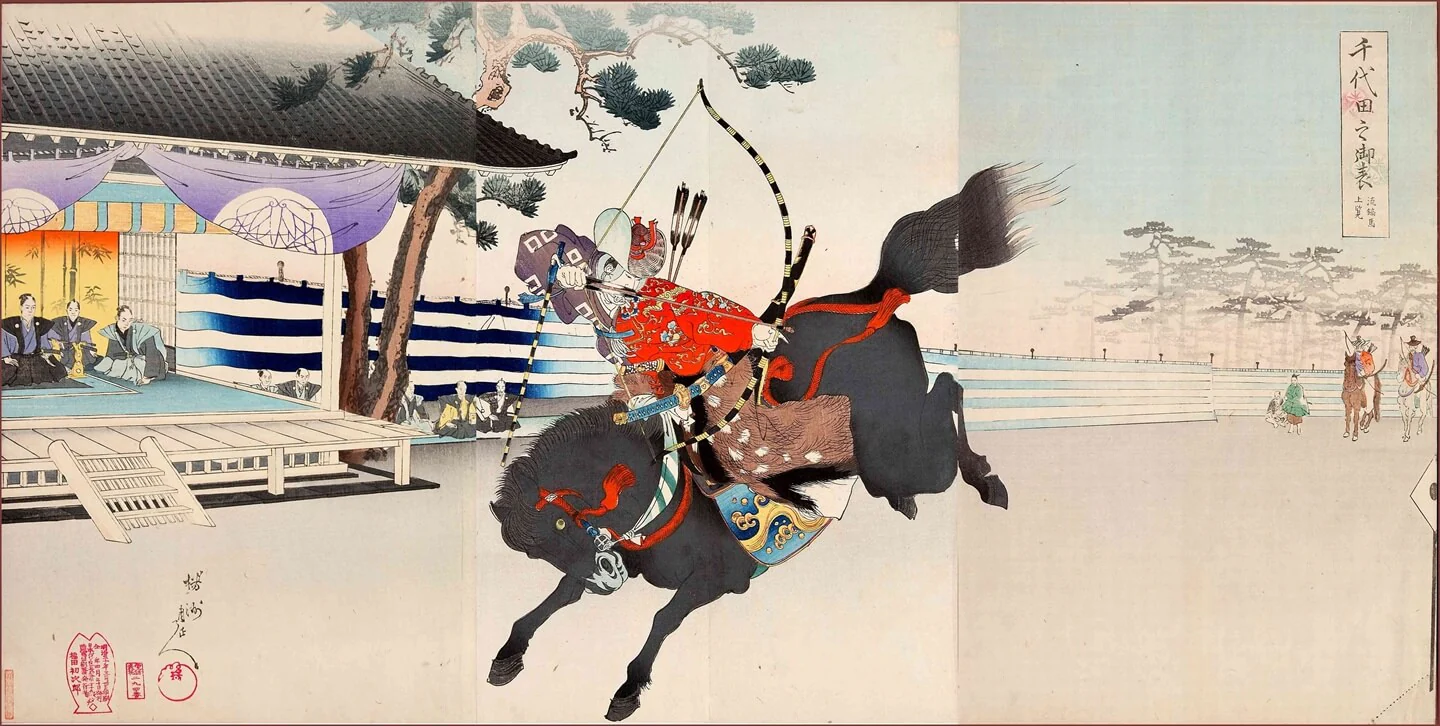
This isn’t a reenactment. It is a Shinto ritual designed to entertain the gods. Archers dressed in Kamakura-period hunting gear gallop down a 250-meter track, letting go of the reins to shoot arrows at three wooden targets. The sound is visceral—the thunder of hooves, the thwack of the arrow hitting the cedar wood, and the explosion of confetti (if they hit the bullseye). It is fast, loud, and legitimately dangerous.
- Where to see it:
- Meiji Jingu Shrine: Usually held on November 3rd (Culture Day) for the Autumn Grand Festival. Arrive hours early; the crowds are massive.
- Sumida Park (Asakusa): held in mid-April. This one feels a bit more gritty and open to the public.
- Kamakura: If you miss the Tokyo dates, catch the premier event at Tsurugaoka Hachimangu Shrine in April, September, or October.
Samurai Ninja Museum Tokyo: A Must-Visit in Asakusa
This is the new heavyweight champion since the Shinjuku one closed. Located in Asakusa, right near the Senso-ji temple crowds, the Samurai Ninja Museum Tokyo is… well, it’s loud. It’s fun. It’s unashamedly for tourists.
I went in skeptical. Left sweating and smiling.
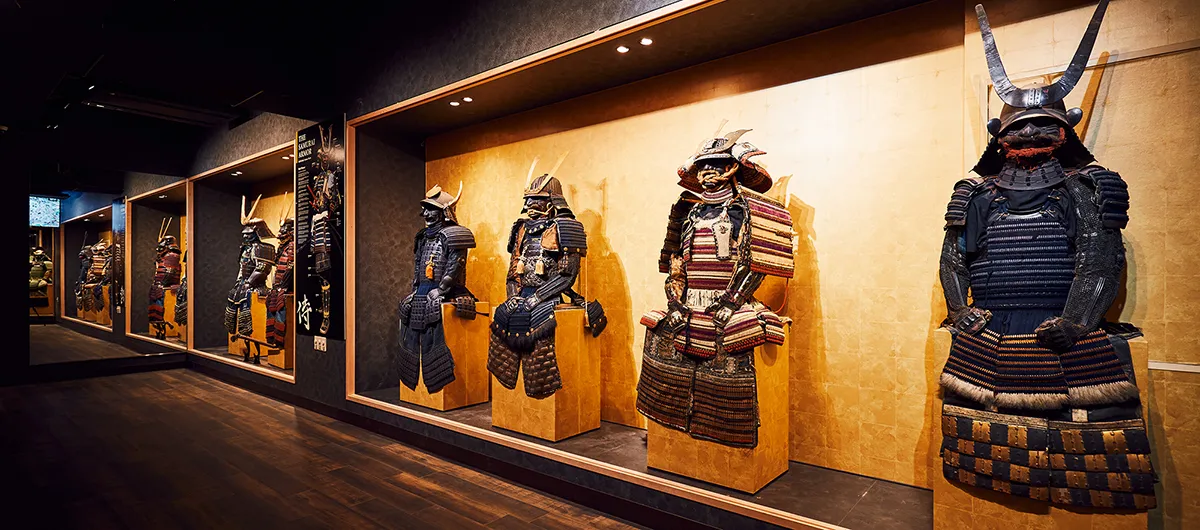
They have tours in English that actually explain the history without putting you to sleep—covering the Edo period, the difference between samurai and ninja (spoiler: samurai are public servants, ninja are spies), and the armor evolution. But the kicker is the interaction. You will throw ninja stars. You will struggle to put on a helmet that weighs as much as a microwave.
Is it a deep, spiritual dive into Bushido? No. Is it the best place to take a group of friends who want to feel cool for an hour? Absolutely.
Family-Friendly Samurai Activities: Armor Trials and Kids’ Classes
If you have kids, do not take them to the Japanese Sword Museum. They will break something. Or they will cry from boredom.
Take them to Samurai Ninja Museum mentioned above, or look for the Sengoku Photo Studio SAMURAI. It’s basically a high-end dressing up box. The armor here is legit—heavy, metal, intricate replicas of famous warlords like Oda Nobunaga or Date Masamune.
For kids, the sheer tactile experience of the armor is magic. They feel the weight of history—literally. Most places have lightweight foam versions for the little ones so they don’t topple over, which is thoughtful. Watching a six-year-old try to look menacing in full shogun gear is objectively hilarious.
Dining with Warriors: Inside the “Samurai Restaurant Time” Show in Shinjuku
Okay. Take a deep breath.
You might remember the “Robot Restaurant.” It was a fever dream of lasers, robots, and sensory overload. It died during the pandemic. But rising from its ashes in the exact same Kabukicho basement is Samurai Restaurant Time.

It is run by Gira Gira Girls, which is technically a “girls’ bar,” so the venue feels… seedy? No, let’s say “adult-adjacent.” The show itself is a spectacle. It’s not historical. It’s aggressive, neon-colored nonsense.
Samurai fight dragons. Dancers in skimpy armor wave glow sticks. The music is loud enough to rattle your teeth. It’s a tourist trap, 100%. But sometimes you want to be trapped. You drink a beer, you watch a guy backflip off a mechanical demon, and you wonder what is happening.
- Warning: It’s 18+ usually, not because of nudity (the show is tame-ish), but because of the venue licensing. Check the rules before booking if you’re easily offended or have kids.
- Is it authentic? Zero percent.
- Is it fun? If you’re drunk, yes.
Real Samurai Soul Food: Eat Like an Edo Commoner
If the neon lights of the Samurai Restaurant are too much, cleanse your palate with something historically accurate. Forget sushi—that was fast food back then—and head to Komagata Dozeu in Asakusa.
Founded in 1801, this place has survived earthquakes and war. It looks like it. You sit on tatami mats on the floor with a low wooden board in front of you. The specialty? Dozeu nabe (loach hotpot).
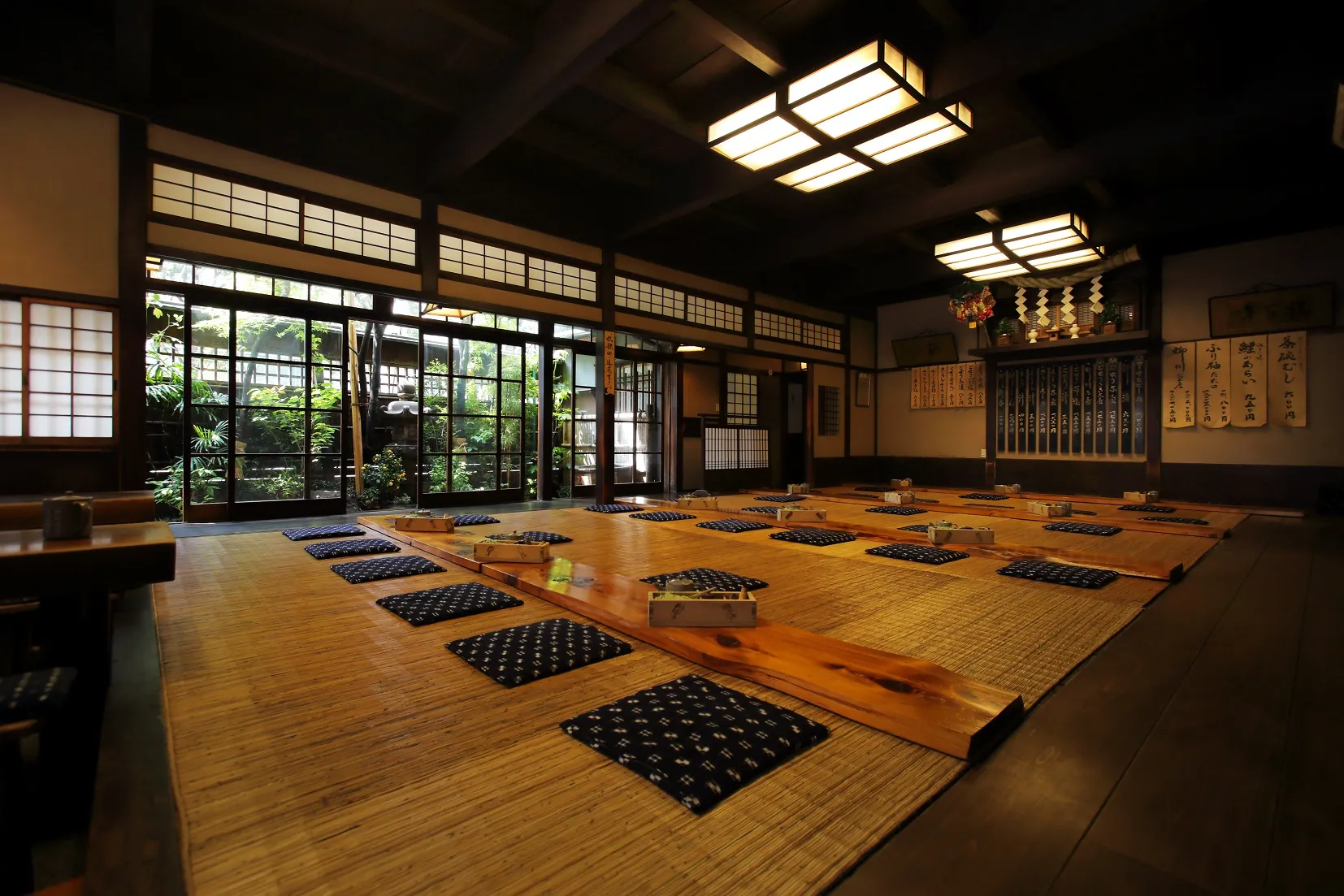
Loach is a small, eel-like fish. In the Edo period, it was a primary source of protein for the lower classes and low-ranking samurai who couldn’t afford sea bream. It looks primitive—a pile of small fish simmering in a shallow iron pan over charcoal right at your table. You bury them in green onions and eat. The taste is earthy, bitter, and profoundly traditional. It’s not for everyone, but it is the closest you will get to tasting the actual Edo period.
Beyond the Blade: Tea Ceremony and Zen Meditation Experiences
The samurai weren’t just killers. They were poets. Bureaucrats. Philosophers. To understand them, you have to put the sword down.
Try a tea ceremony (sado). Maikoya creates a great bridge between the samurai and tea culture. Many samurai practiced tea ceremonies to calm their minds before battle – or before committing seppuku. Sitting in a tatami room, focusing entirely on the whisking of matcha, you start to get it. The hyper-awareness. The control.
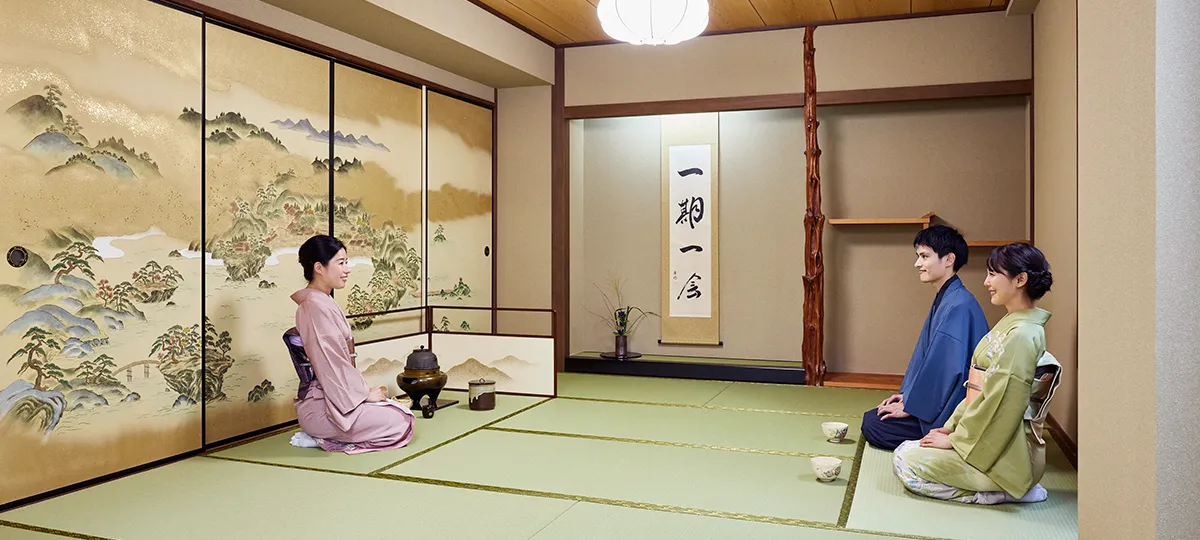
It’s the flip side of the violence. You can’t have the sword without the chrysanthemum.
Walking the Path of the Shogun: Historical Samurai Tours in Tokyo
Tokyo is a palimpsest – the old city of Edo is written right underneath the modern one.
Go to the East Gardens of the Imperial Palace. This was the site of Edo Castle, the headquarters of the Tokugawa Shogunate. The castle tower is gone (burned down, as wood things in Japan tend to do), but the massive stone walls remain. Standing at the base of those cyclopean stones, you realize the scale of their power.
Then, take the train to Sengaku-ji Temple.
This is the resting place of the 47 Ronin. You know the story—the masterless samurai who avenged their lord and then committed ritual suicide? They are buried here. It’s a small graveyard. The air is heavy. Incense is always burning, left by visitors paying respects to loyalty. It’s not a “tour” per se; it’s a pilgrimage.
The Challenge of Atago Shrine
If you want to test your mettle, visit Atago Shrine in Minato ward. It sits atop a hill, accessible by a frighteningly steep flight of 86 stone stairs known as the “Stone Steps to Success” (Shusse no Ishidan).
The legend goes that in 1634, the Shogun Iemitsu saw plum blossoms at the top and demanded someone ride a horse up the stairs to get them. Only one samurai, Magaki Heikuro, dared to do it. He rode up (which was hard) and rode down (which was terrifying), earning the title of the greatest horseman in Japan. Today, ambitious salarymen climb these stairs to pray for promotion. It’s a great leg workout and a fantastic piece of samurai lore.
The Last Shogun’s Grave at Yanaka Cemetery
For a quieter, less tourist-heavy experience, head to Yanaka Cemetery. It’s a beautiful, sprawling public cemetery famous for its cherry blossoms and stray cats. Hidden within a gated enclosure is the grave of Tokugawa Yoshinobu, the 15th and final Shogun.
He was the man who officially ended the samurai era, handing power back to the Emperor in 1867 to prevent a civil war. His grave is humble, Shinto-style (unusual for Shoguns who were usually Buddhist), and marks the final full stop on 700 years of warrior rule.
The Ultimate Day Trip: Kamakura, The Original Capital
If you have a full day, get out of Tokyo. Take the one-hour train ride to Kamakura.
Before Tokyo was Edo, Kamakura was the heart of samurai power. This is where the first Shogunate was established in the 1100s. The vibe here is completely different—it’s the “Kyoto of the East,” but with a rougher, warrior edge.
- Tsurugaoka Hachimangu: The most important shrine for warriors, dedicated to Hachiman, the god of war. The grand staircase and the layout were designed to intimidate.
- Hokokuji Temple: Known as the “Bamboo Temple.” It was the family temple of the Ashikaga clan. Walking through the bamboo grove is the closest you’ll get to feeling like you’re in a Kurosawa film.
- The Daibutsu: The giant bronze Buddha has sat outside since a tsunami washed its temple building away in 1498. The samurai of old looked at this exact statue.
Where to Buy an Authentic Japanese Sword: Souvenirs for Serious Collectors
You want to take a katana home?
Stop.
Are you buying a toy? Go to Nakamise Street in Asakusa. Buy a zinc-alloy replica for 5,000 yen. Put it on your shelf. Done.
Are you buying a Nihonto—a real, licensed, art sword?
You need to go to Ginza Seiyudo or Aoi Art. These are serious dealers.
A real katana starts at around $5,000 USD and can easily go up to $50,000 or more.
- The Law: In Japan, real swords are registered weapons. You cannot just buy one and put it in your suitcase.
- The Process: The shop must arrange a “Torokusho” (registration card) transfer and an export permit. This takes weeks. They will ship it to you.
- Don’t be an idiot: Do not try to carry a real sword on the Tokyo Metro. You will be arrested. Swiftly.
Tips for Booking Your Samurai Experience: Reservations and Etiquette
- Book Ahead: Places like the sword cutting dojos are small. They can’t handle walk-ins. Book at least 2 weeks in advance.
- Socks Matter: You will be taking your shoes off constantly. Wear clean socks. No holes. Trust me.
- Respect the Blade: Even if it’s a wooden bokken or a dull replica, never step over a sword on the ground. Never touch the blade with your fingers (the oil from your skin ruins the steel).
- Listen: In a dojo, when the instructor speaks, you stop moving. It’s about safety, not just politeness.
FAQ: Everything You Need to Know Before Your Samurai Adventure
Absolutely not. Even a replica can get you stopped by police if it’s not bagged. Japan has strict weapon laws.
As of now, no. It’s marked permanently closed. Go to Asakusa instead.
Not really. Most are designed for beginners. If you can do a lunge and hold a 1kg weight, you’re fine.
Generally, no. It’s loud, chaotic, and in a nightlife district. Stick to the museums for family time.
Checked luggage? Maybe, if it’s a replica. A real sword? No, it must be shipped with export papers. Don’t risk it.
Experience the Spirit of Tokyo Samurai
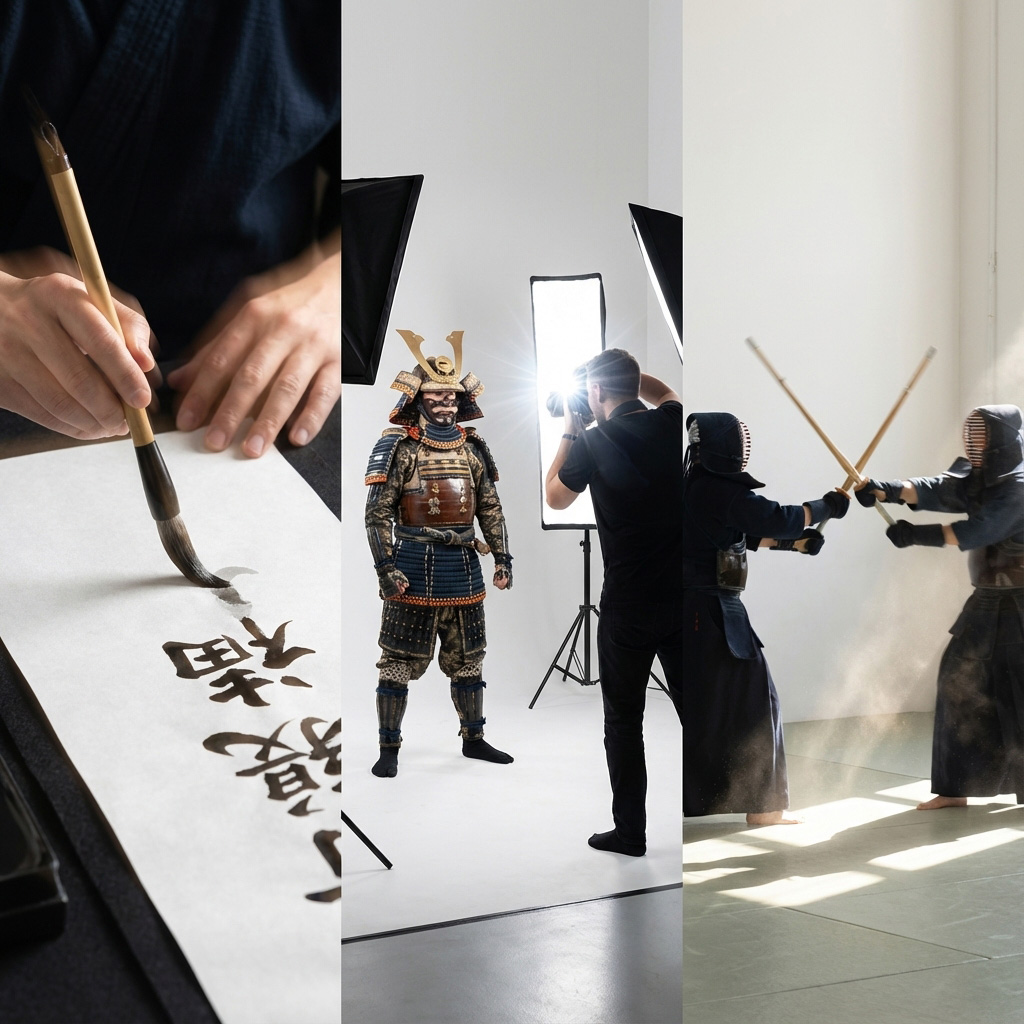
Samurai VIP Access
Enjoy exclusive perks like personalized Calligraphy (Shodo), professional souvenir photographs in full armor, along with unforgettable combat experiences.
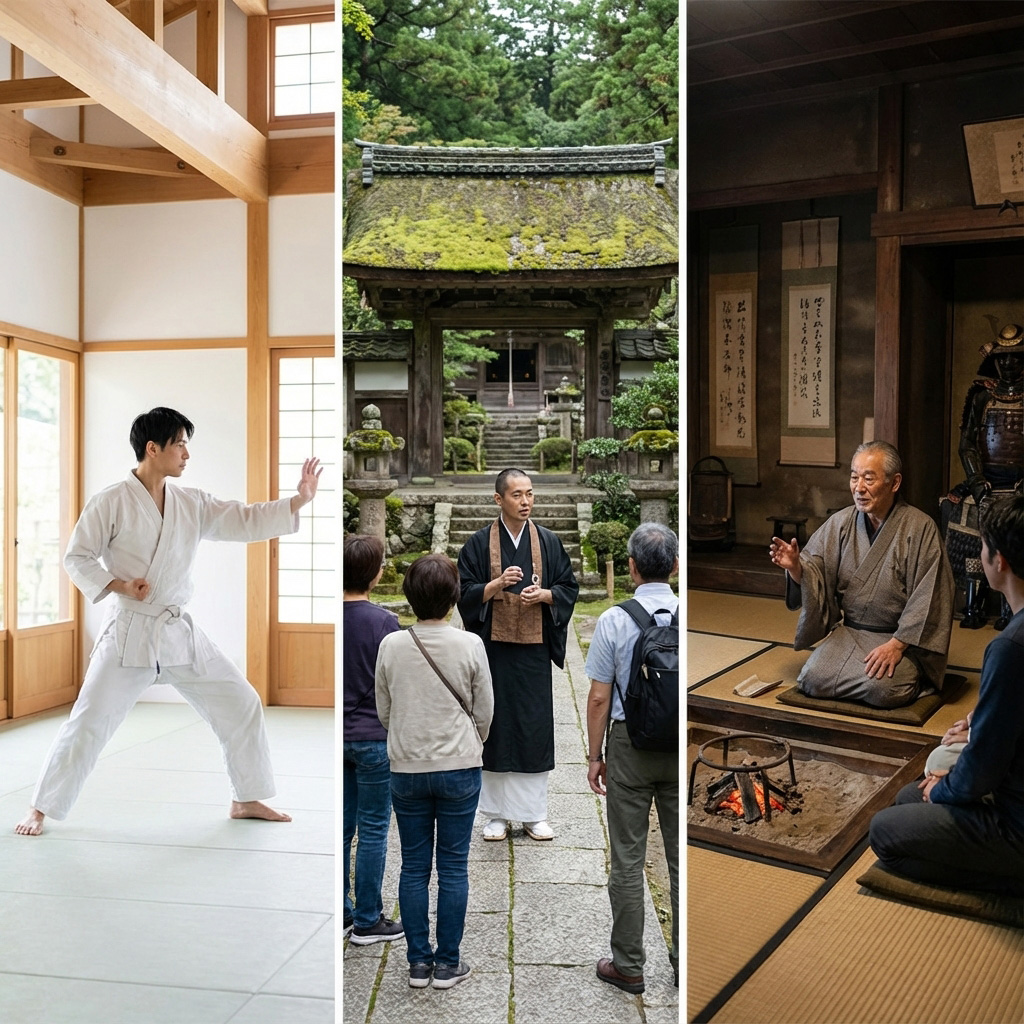
Bushido Legacy Style
Train at a legendary Dojo and authentic historical sites, and listen to colorful stories of ancient Shoguns and the masters of the blade.