Discovering the Legacy: Best Samurai Sword Museums in Tokyo
Forget Kill Bill. Forget Ghost of Tsushima. You probably have this picture in your head of a blade slicing bamboo—clean, fast. But standing in front of a 700-year-old piece of steel in Tokyo is weirdly quiet. It’s terrifying. The steel has a personality—a hamon (temper line) that looks like crashing waves. Or mountains in the mist? To get the soul of the samurai, you have to look at the metal. Just the metal.
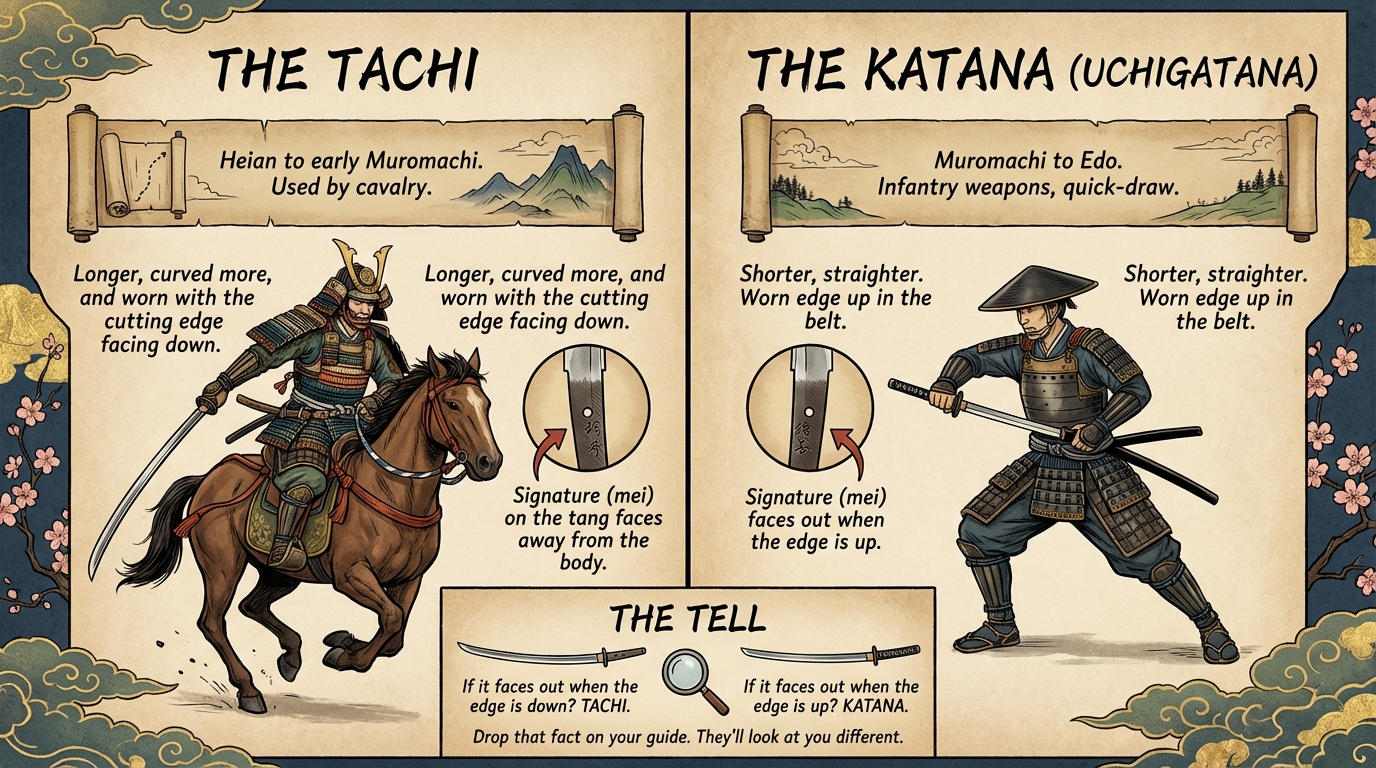
Know Your Steel: Tachi vs. Katana
Before walking into a museum, you need to know what you’re looking at. Don’t embarrass yourself. Not every Japanese sword is a “katana.”
- The Tachi: Old school stuff—Heian to early Muromachi. Used by cavalry. They’re longer, curved more, and worn with the cutting edge facing down. When you see them in a case, the signature (mei) on the tang faces away from the body.
- The Katana (Uchigatana): Appearing later. Muromachi to Edo. Infantry weapons, quick-draw. Shorter, straighter. Worn edge up in the belt.
- The Tell: Look at the signature on the tang (nakago). If it faces out when the edge is up? Katana. If it faces out when the edge is down? Tachi. Drop that fact on your guide. They’ll look at you different.
The Japanese Sword Museum (Touken Hakubutsukan): A Must-Visit for Enthusiasts
If you go to one place, make it this one. Ryogoku – yeah, the sumo neighborhood. It’s run by the NBTHK (Society for the Preservation of Japanese Art Swords). A mouthful. These are the guys who decide if a sword is a national treasure or just a rusty bar of iron.
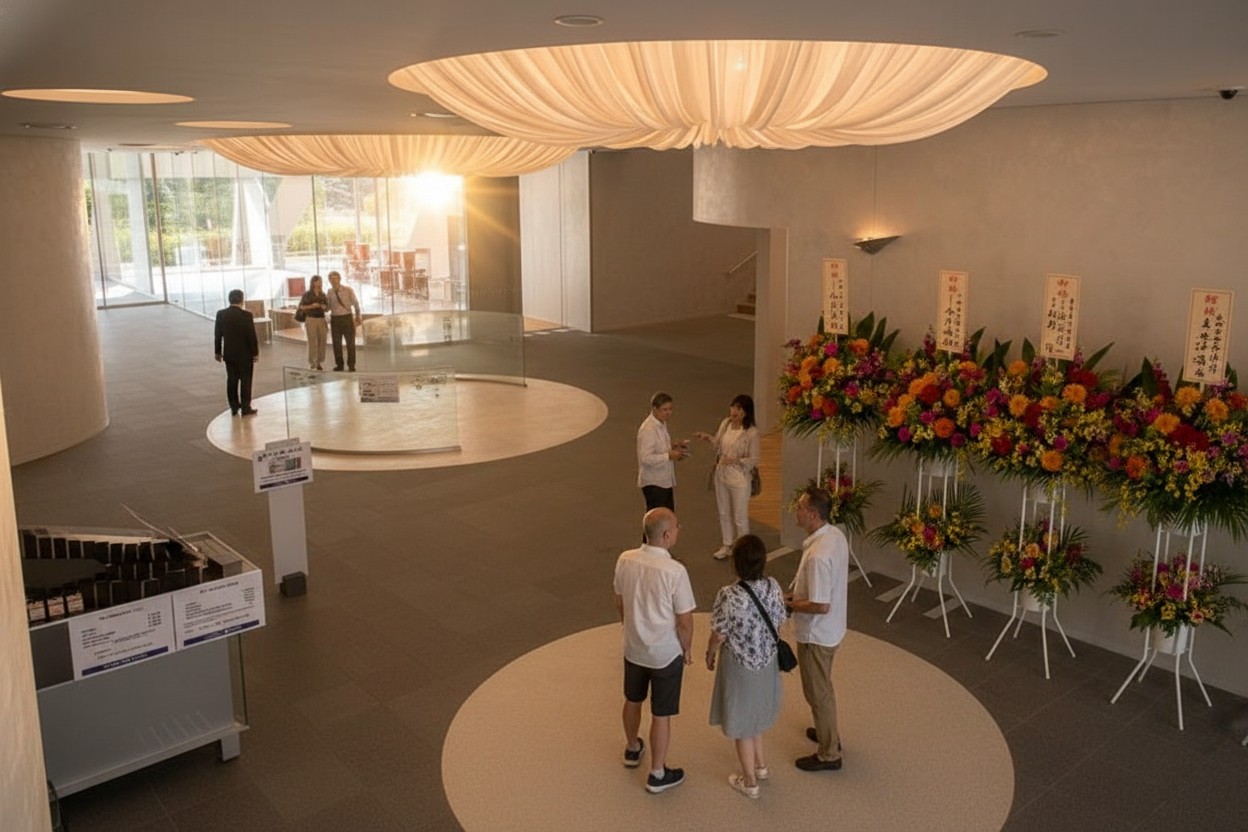
The building is sterile. Cold, almost. Focus is entirely on the blades. No flashy samurai mannequins here. Just row after row of the finest steel ever forged. Lighting is dim – protects the fittings – but spotlights hit the blades to show the nie and nioi (crystalline structures). It’s technical. Dense. You might feel overwhelmed if you don’t know Bizen from Soshu, but honestly, just stare at the steel. The patterns are hypnotic. Museum website in english.
National Treasures at the Tokyo National Museum: Ancient Blades on Display
Ueno Park is a mess of tourists and crows. Inside the Tokyo National Museum, the vibe shifts. The Honkan (Japanese Gallery) usually has a room for swords. We’re talking heavy hitters.
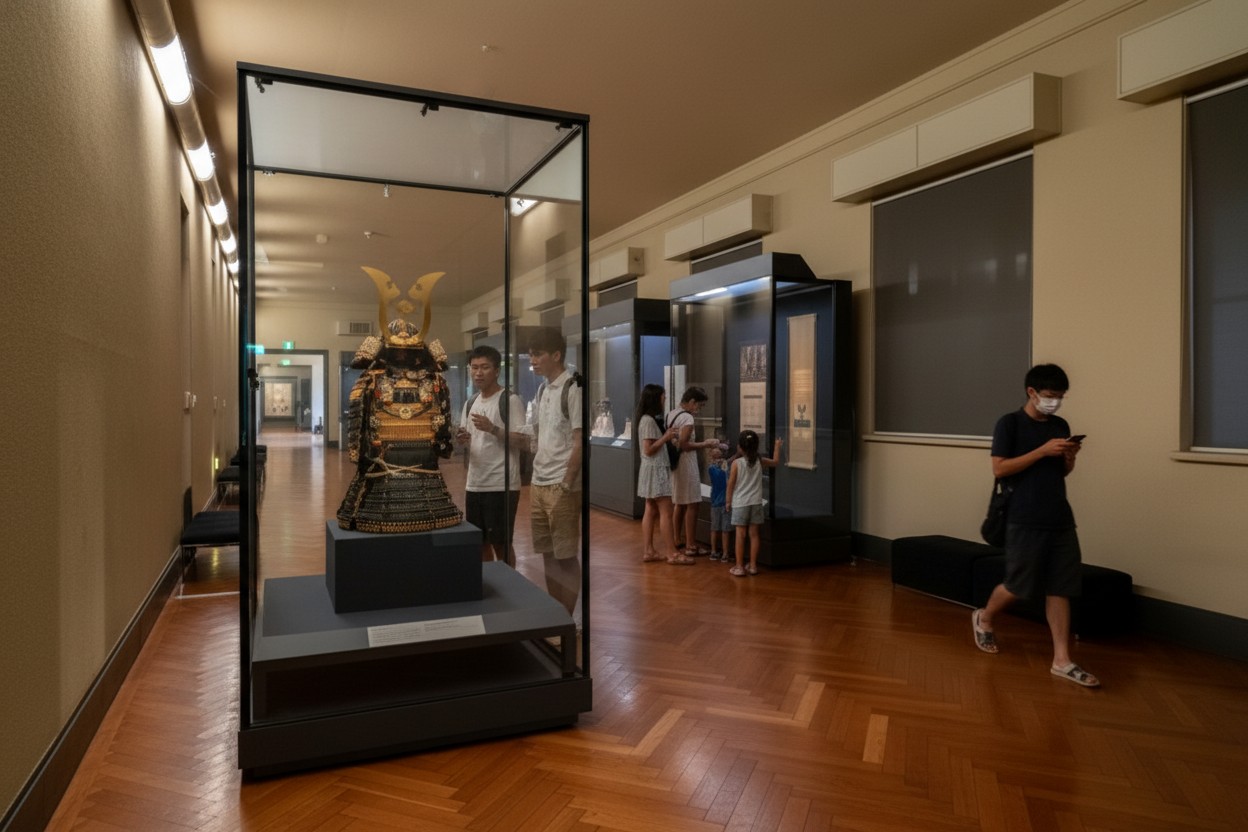
Collection rotates constantly. Conservation rules are strict—steel “gets tired” if it’s out too long. Needs air, needs rest. One month you see a delicate Heian blade, the next a massive Nanbokucho era sword made to fight demons. There’s a solemnity here you don’t get elsewhere. Not weapons really; religious objects. Offerings to gods. Authority.
The Anime Connection: Touken Ranbu and the “Sword Boom”
You might see a weird demographic at the museum lately. Young women with notebooks. Plush dolls. The “Touken Ranbu” effect.
Touken Ranbu is this massive game franchise—swords anthropomorphized into handsome warriors. It single-handedly saved the industry from dying out.
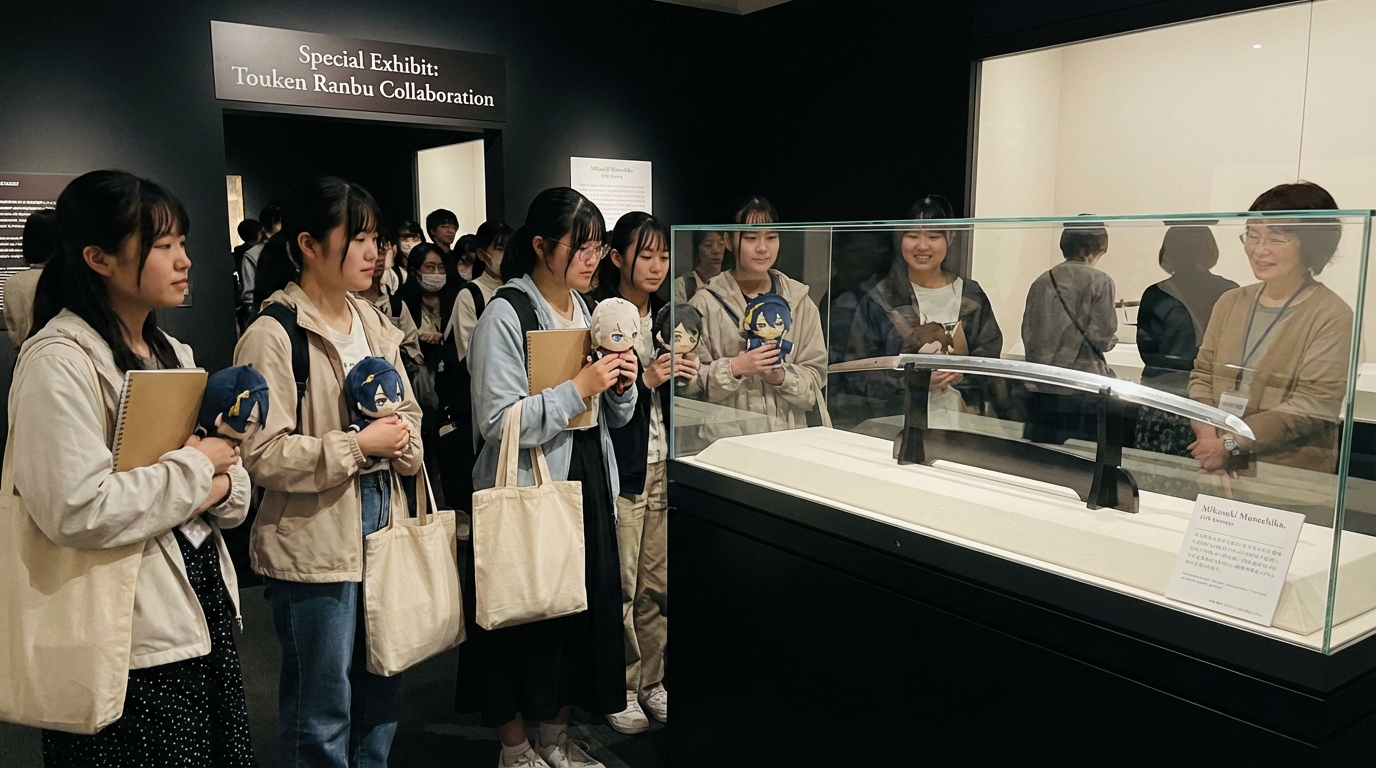
- The Star: If “Mikazuki Munechika” (one of the Five Great Swords) is on display, expect a line. In the game, he’s the poster boy. In reality… he’s a breathtaking 11th-century masterpiece with crescent-moons in the temper line.
- The Vibe: Don’t roll your eyes. They’re respectful. Knowledgeable. Probably keeping the museum in business.
Samurai Museum Shinjuku (and the Asakusa Alternative)
Here is the hard truth. The Samurai Museum in Shinjuku was the darling of TripAdvisor. It was fun. Let you wear a helmet. But – big but – it has been largely closed or in flux since the pandemic.
The Alternative: If Shinjuku is shut, check the Samurai Ninja Museum Tokyo in Asakusa. Is it a tourist trap? Yes. Will you see National Treasures? No. But for families who want to throw a ninja star without being judged by historians… it fills the gap.
Hands-On Samurai Experiences: Sword Making and Tameshigiri
Looking is fine. Touching? That’s the adrenaline. Tokyo has a mix of traps and real dojos. You need to know the difference so you don’t end up swinging a plastic stick in a basement.
Forging Your Own Blade: Top Swordsmith Workshops Near Tokyo
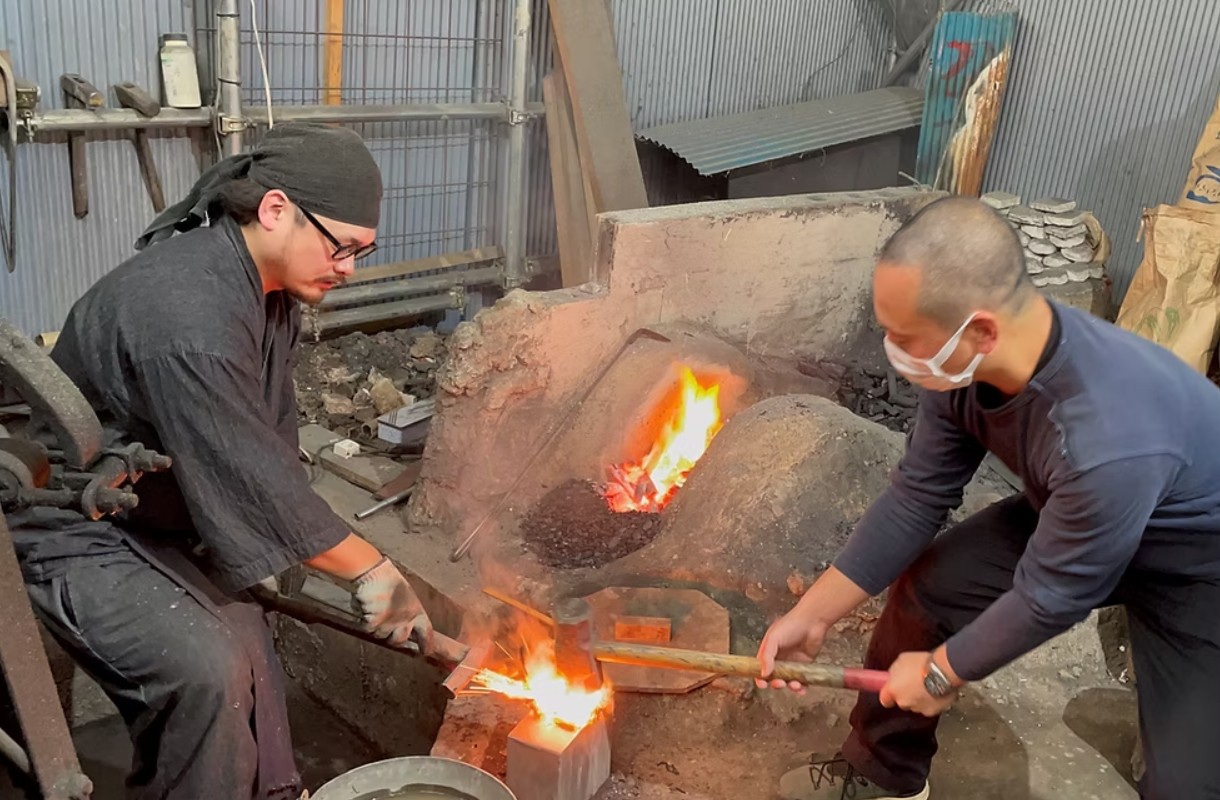
Real talk—you cannot make a full katana in an afternoon. Takes months. But you can get close.
Hirata Swordsmith in Ome (technically Tokyo, feels like the sticks) is real. You work with fire. Hammering glowing tamahagane. Hot, loud, sweaty work. Usually you make a small knife—a kogatana—because a full sword is legally complicated. Impossible for a novice.
There is something primal about hitting hot metal. Sparks fly, smell of coal fills your nose. Grounds you. Expensive? Sure. But you walk away with a blade you forged.
Beyond Tokyo: A Pilgrimage to Kamakura and the Legacy of Masamune
Serious about swords? Take the train to Kamakura. One hour. Military capital in the 1200s and home of Masamune—most famous smith in history. Maybe ever.
- The Living Legacy: Masamune’s bloodline didn’t die. 24th generation descendant, Tsunahiro Yamamura, still operates a forge there.
- Sword Masamune: A shop and small museum near the station run by the family. You can buy knives made by the descendants. Closest you get to touching the “Soshu” history. Fierce, undulating temper lines.
The Art of Tameshigiri: Where to Try Test-Cutting with a Real Katana
This is what you want. Tameshigiri. Cutting targets.
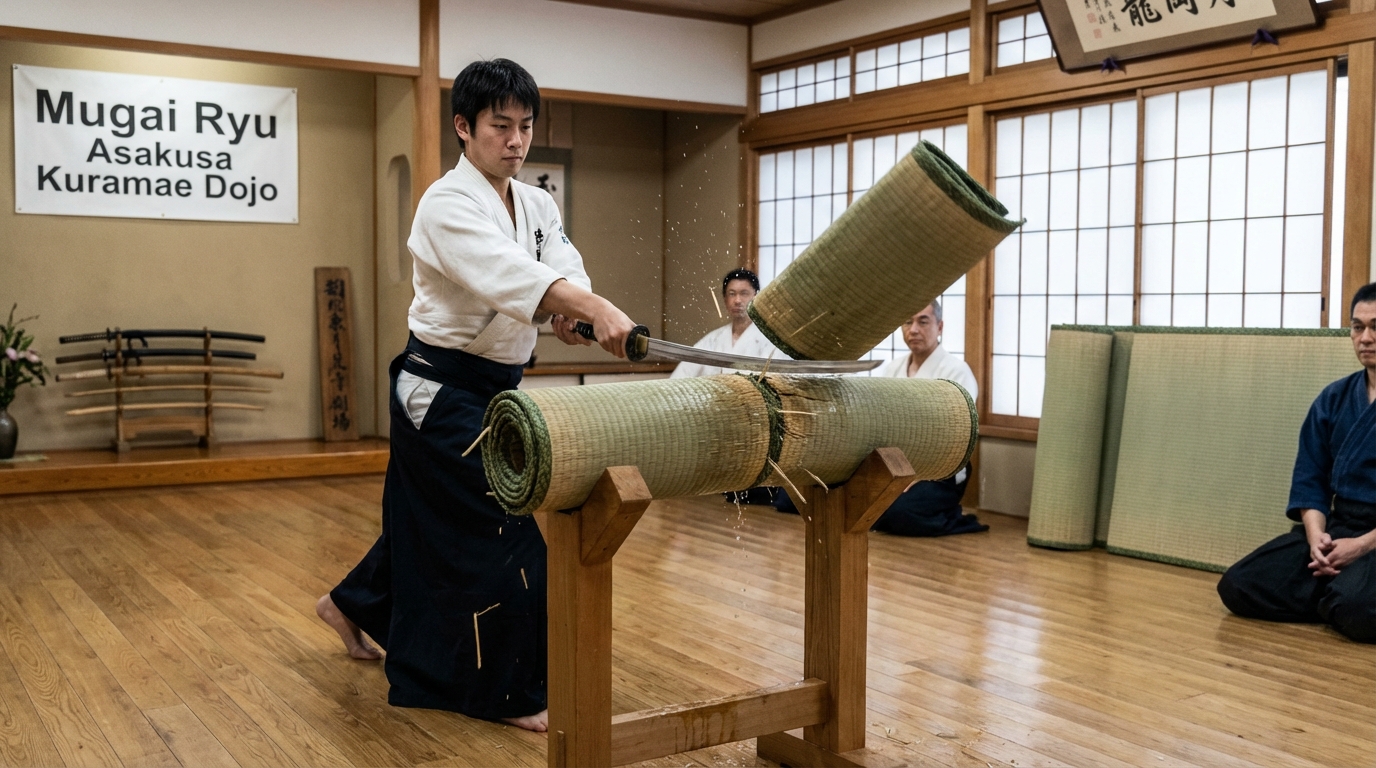
Most places use soaked tatami mats – rolled up to simulate the density of a human limb. Morbid? Maybe. Satisfying? Absolutely.
Mugai Ryu Asakusa Kuramae Dojo is a solid option. They don’t just hand you a sharp sword. They teach form. Cut with bad form and you won’t cut the mat; you’ll bat it across the room. Look silly.
HiSUi Tokyo in Ginza is another spot – polished, bit pricey, mix of kimono dressing and cutting.
When the blade aligns perfectly… you don’t feel it. Like cutting air. That is the scary part.
Samurai Training Classes: Learning the Basics of Kenjutsu and Iaido
Want to sweat? Take Kenjutsu or Iaido (drawing the sword). This isn’t about hitting stuff. It’s control.
You’ll use a bokken (wood) or iaito (unsharpened alloy). Knees will hurt. Shoulders burn. You realize samurai moved differently. It’s not hacking. It’s efficiency. One class won’t make you a master, but it stops you holding a sword like a baseball bat.
Where to Buy Authentic Samurai Swords in Tokyo
Okay, you have cash. You want the souvenir of a lifetime. Buying a Nihonto is not like buying a KitKat. Serious investment. Legal paperwork.
Antique vs. Modern: Understanding the Difference Before You Shop
Antique (Koto/Shinto): Made before 1876. Historical artifacts. Scratches, history, flaws. You are buying time.
Modern (Gendaito/Shinsakuto): Contemporary smiths. Shiny. Perfect. Expensive.
Do not buy cheap “katanas” in Asakusa souvenir shops for $100. Zinc-aluminum alloy. Decoration only. Swing them and they might snap. Real steel starts at roughly $5,000. Goes up to infinity.
The Dai Token Ichi: The “Comic-Con” of Samurai Swords
Visiting in November? You might hit the jackpot. Dai Token Ichi is the largest sword fair in Japan. usually at the Tokyo Art Club in Shimbashi.
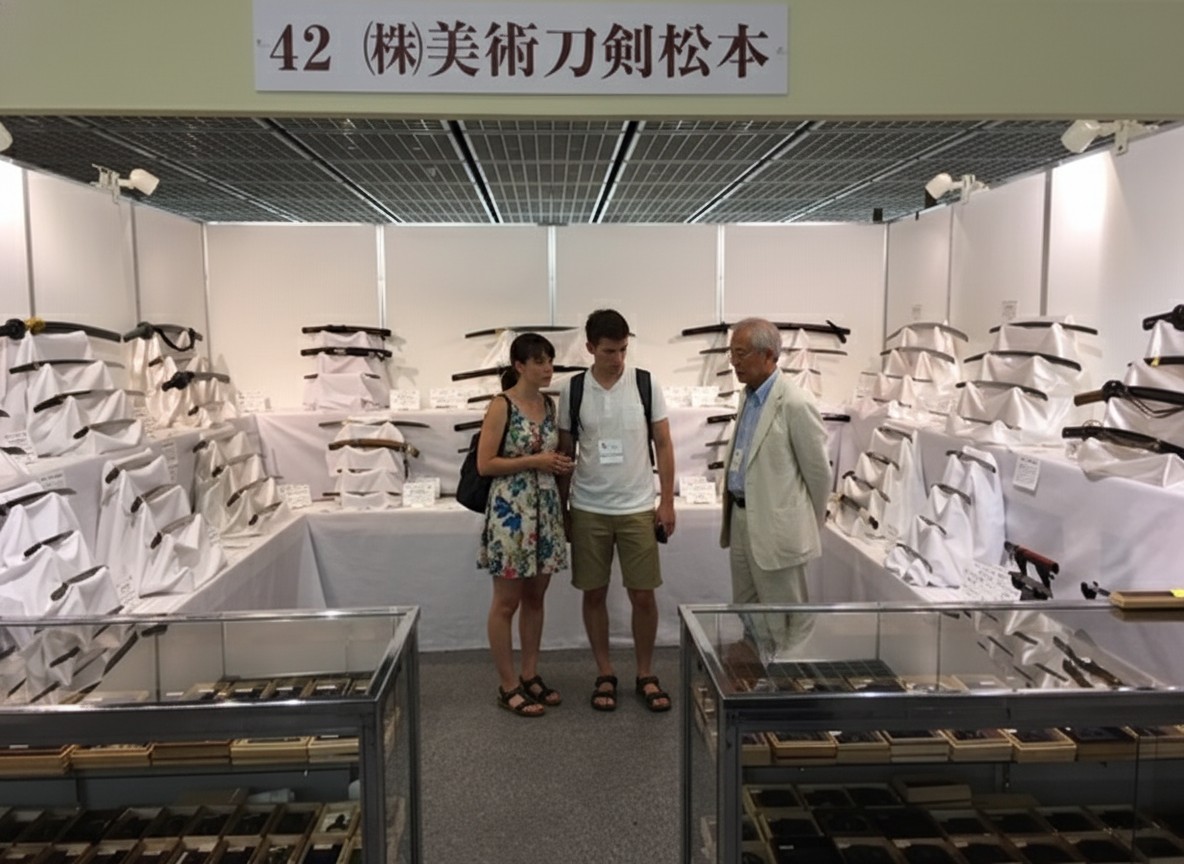
- The Scale: Imagine a massive convention hall. But instead of comics, it’s millions of dollars in swords, armor, fittings.
- The Access: Walk up to a dealer’s table. Hold a sword that costs as much as a Ferrari. Best place to compare prices. See the variety.
Viewing Etiquette: How Not to Offend the Dealer
If you get handed a sword, follow these rules or get kicked out:
- Bow to the blade: Respect.
- Don’t breathe on it: Seriously. Turn your head or wear a mask. Breath causes rust.
- No touching: Never touch steel with bare skin. Hold the hilt, support the spine with a silk cloth (fusahimo).
- Edge up: Point the cutting edge up toward the ceiling. Never down. Never at anyone.
Ginza Seiyudo: High-End Nihonto for Serious Collectors
This is the gallery you feel underdressed for. In Ginza. Seiyudo has inventory that makes your jaw drop. Juyo Token (Important Swords). Staff is knowledgeable, deal with foreigners often. Prices reflect the location—premium. But quality is undeniable. Like walking into a Patek Philippe store but for weapons.
Aoi Art: Japan’s Premier Destination for Certified Antique Swords
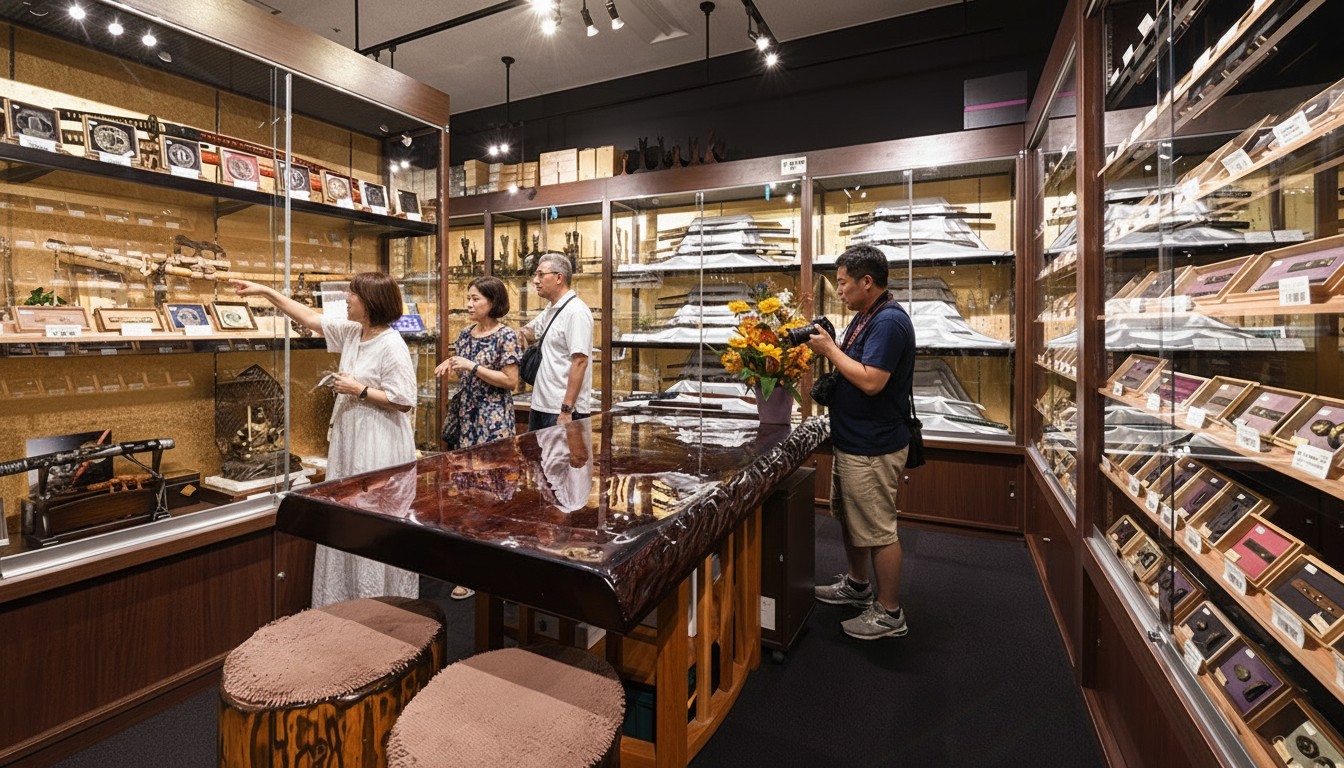
Aoi Art is legendary. Near Yoyogi/Shibuya. Serious collectors go here. Their website is famous, but the shop is an experience.
Warning: They prefer appointments. Not really a “browse for fun” spot. If you are serious, email them. Stacks of NBTHK certificates. They know every flaw. Trustworthy is an understatement.
Samurai Store International: Trusted Quality for Katana and Armor
These guys have a showroom in Harajuku (Jingumae), but—catch this—appointment only. Can’t just walk in. They specialize in armor (Yoroi) too. Cool if you have $20,000 burning a hole in your pocket. Very foreigner-friendly. They handle shipping logistics well—a headache you don’t want.
Tozando and Tokyo Nihonto: Best Shops for Martial Arts Practitioners
Tozando is the Kyoto giant. They have a small showroom in Suidobashi, Tokyo. Mostly for ordering, checking quality. If you want a practical iaito, this is the spot.
Tokyo Nihonto in Shibuya is interesting. Good selection of antiques, pretty accessible. Reviews vary, but a legitimate spot to check mid-range antiques without the intimidation of Ginza.
Navigating Japanese Sword Laws and Export Regulations
This is the boring part. Keeps you out of jail. Read it.
The Torokusho Certificate: Why Every Real Sword Needs One
Every real sword in Japan must have a Torokusho (Registration Card). Small laminated paper with kanji. Matches the sword’s length and curve.
No Torokusho = Illegal Weapon.
If a shop tries to sell a live blade without this… run. You cannot legally possess it.
Step-by-Step Guide to Legally Exporting a Katana from Japan
Can’t just put it in your suitcase.
- Buy the sword.
- Shop applies for Export Permit. They take the Torokusho, return it to Board of Education, apply for permit from Agency for Cultural Affairs (Bunka-cho).
- Wait. Takes 2 to 4 weeks. You will be back home before it ships.
- Shipping. Shop sends it via EMS or FedEx.
Self-export? Technically possible at the airport if you have the permit before you fly. Timing rarely works. Let the shop handle it.
Transporting Replica Swords and Iaito: Airport Security Tips
Replicas (zinc alloy) do not need the government permit.
BUT:
- Cannot carry them on the plane. Checked luggage only.
- Tell airline staff at check-in: “I have a replica sword / martial arts equipment.”
- They might want to see it. Don’t be shady. Looks like a weapon on X-ray. Declaring it saves everyone a heart attack.
Sword Care and Etiquette: Maintaining Your Blade at Home
Steel rusts. Especially Japanese steel.
Don’t touch the blade with bare fingers. Oil in your skin etches a fingerprint into the steel in days.
Get a kit (uchiko powder and choji oil). Wipe old oil off, tap powder ball, wipe off (mild abrasive), apply fresh thin coat.
Treat the sword with respect. Not a toy. It’s a 500-year-old survivor. Keep it that way.